Professional caregivers play a vital role in helping individuals remain safe, comfortable, and supported in their own homes. When families invite a caregiver into such a personal space, trust becomes the foundation of the relationship. Beyond kindness and reliability, professional caregivers are trained to protect safety, encourage independence, and support quality of life—often during periods of illness, recovery, or aging when individuals may feel especially vulnerable.
Understanding how professional caregivers are trained helps families make informed decisions about care. From foundational skills and safety practices to communication and emotional support, caregiver training is designed to ensure clients receive respectful, consistent, and compassionate care tailored to their unique needs. This preparation allows families to feel confident that their loved ones are supported not only with empathy but also with the skills and knowledge required to provide high-quality in-home care.
Foundational Training and Core Skills
Professional caregivers receive comprehensive training that prepares them to support daily living safely and respectfully within a home environment. This foundational training typically includes:
-
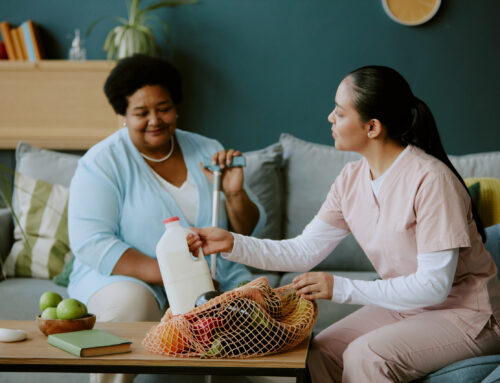
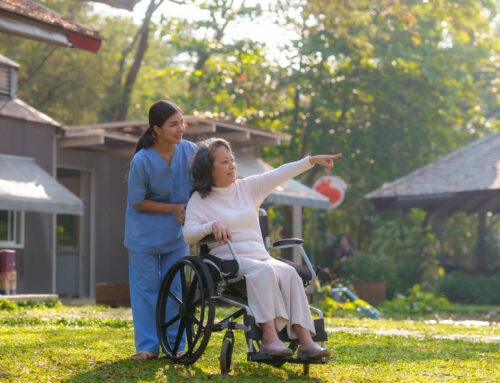
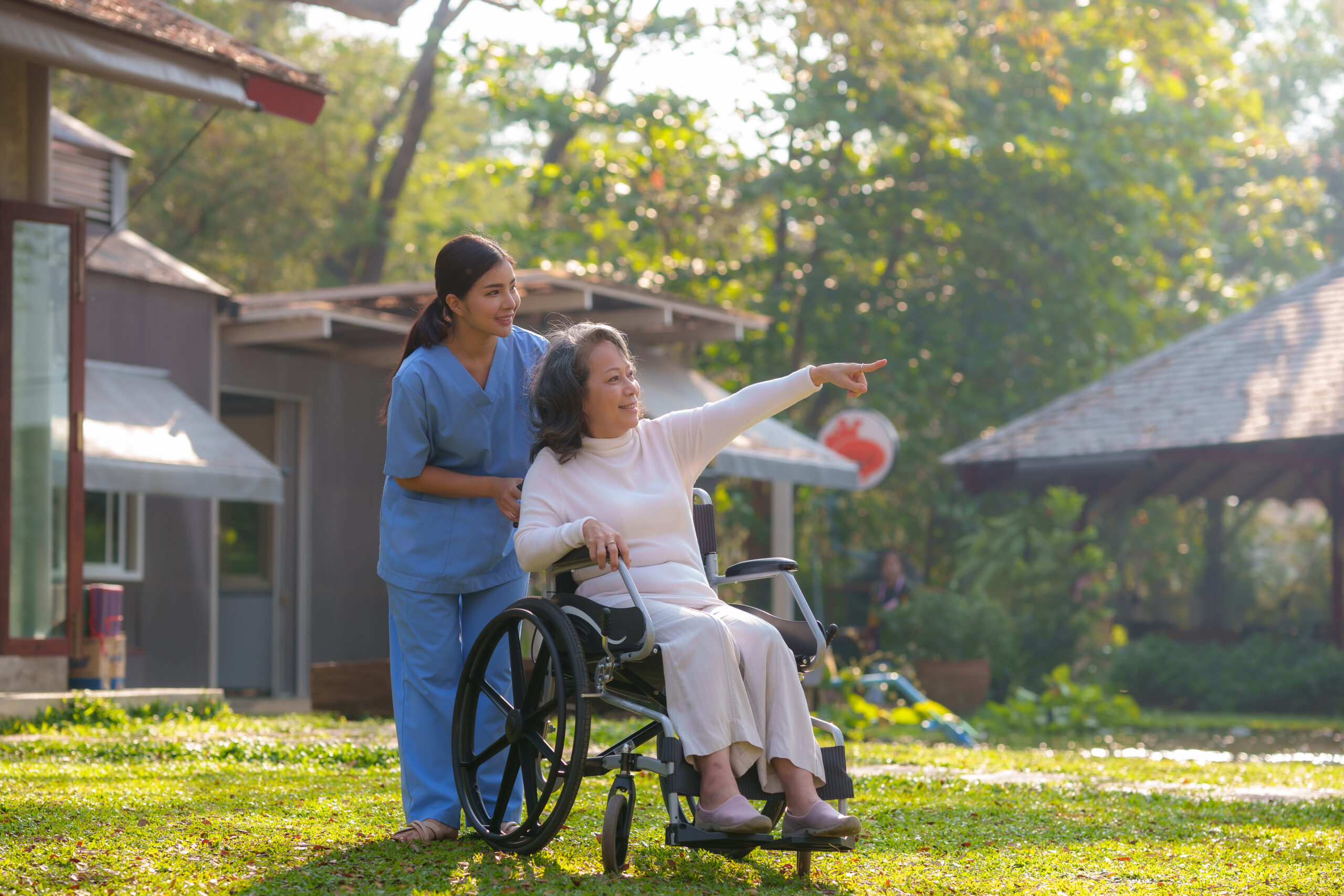
Assisting with activities of daily living such as bathing, dressing, grooming, and mobility
-
Safe transfer and positioning techniques to reduce fall risk
-
Infection control and proper hygiene practices
-
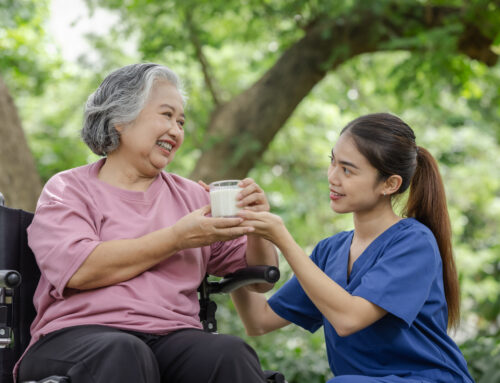
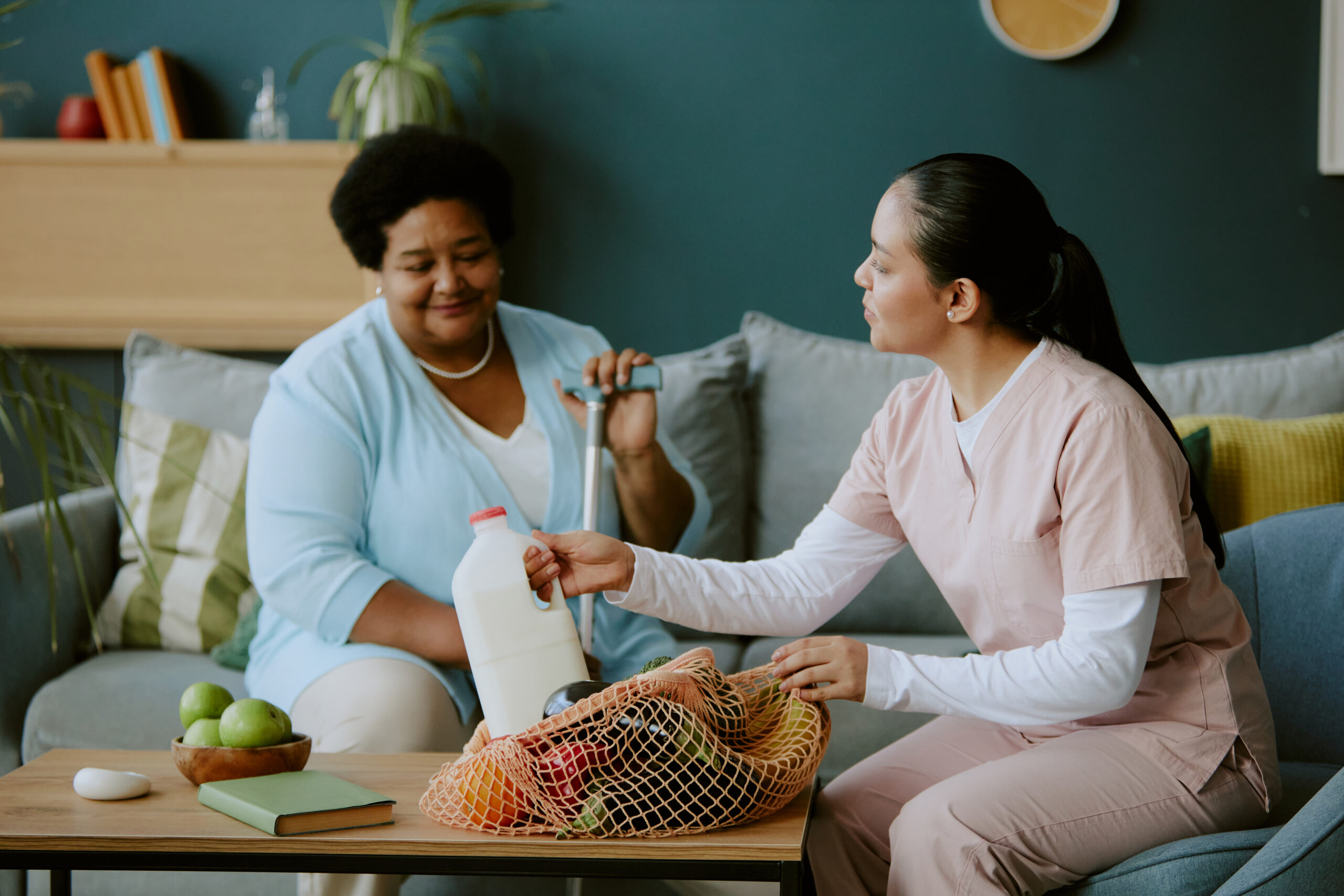
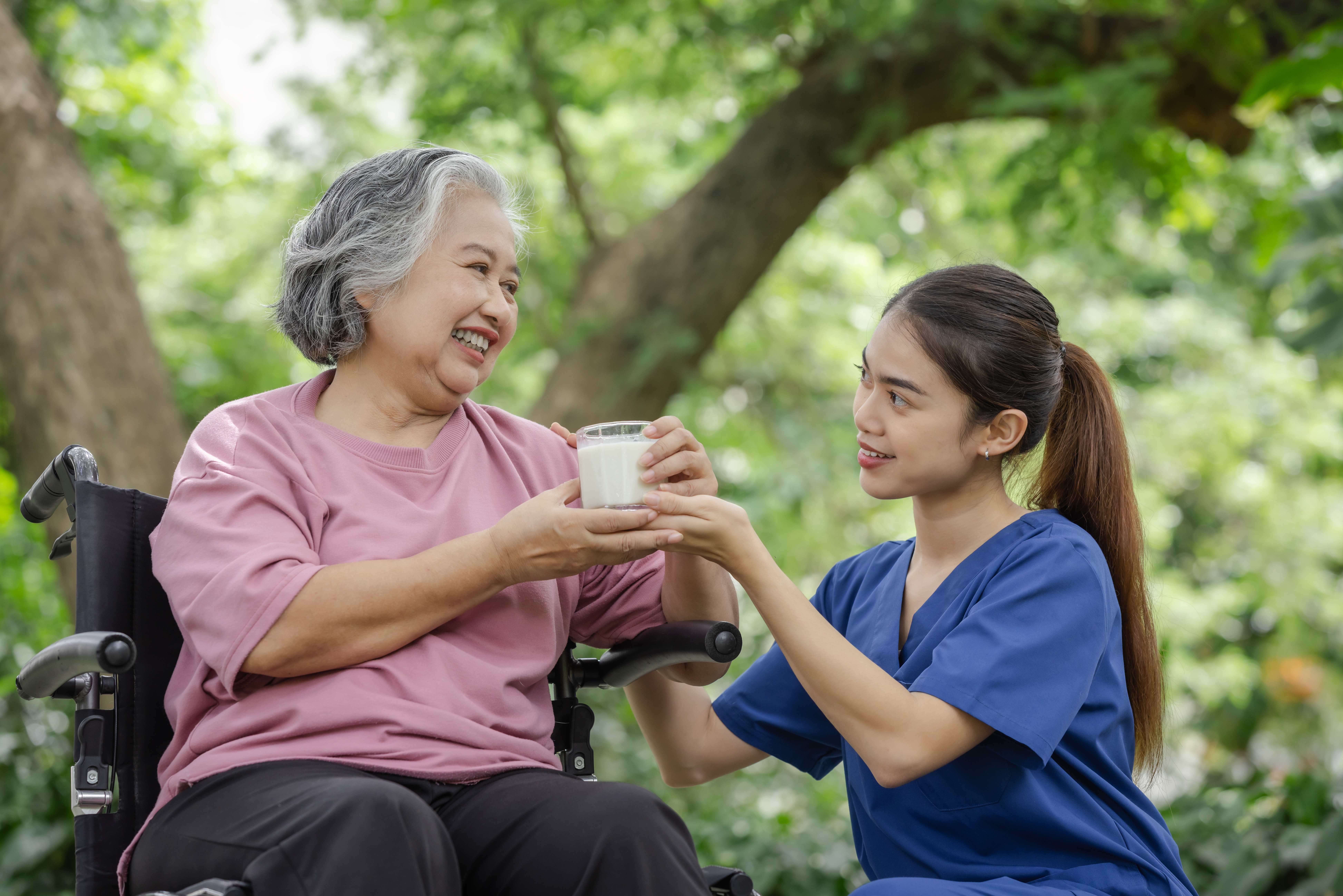
Nutrition support and safe meal assistance
-
Observing, documenting, and reporting changes in a client’s condition
This training ensures professional caregivers understand not only what to do, but how to do it safely and compassionately
Safety Comes First
Safety is one of the most critical components of professional caregiver training. Caregivers learn how to identify potential hazards, maintain clutter-free living spaces, and assist clients in ways that reduce strain or injury for both the client and caregiver.
Professional caregivers are also trained to recognize early warning signs such as changes in mobility, appetite, mood, or cognition. Early awareness allows families and care coordinators to respond quickly and appropriately, helping prevent complications before they escalate.
Safety is one of the most critical components of professional caregiver training. Caregivers learn how to identify fall risks, maintain clutter-free living spaces, and assist clients in ways that reduce strain or injury. According to guidance from the Centers for Disease Control and Prevention (CDC), proper home safety practices and caregiver awareness play a key role in preventing injuries and supporting safe aging at home.
Communication and Emotional Support
Professional caregiving goes beyond physical assistance. Emotional support and respectful communication are essential parts of quality care. Training emphasizes:
-
Clear, compassionate communication with clients and families
-
Respect for personal boundaries, routines, and preferences
-
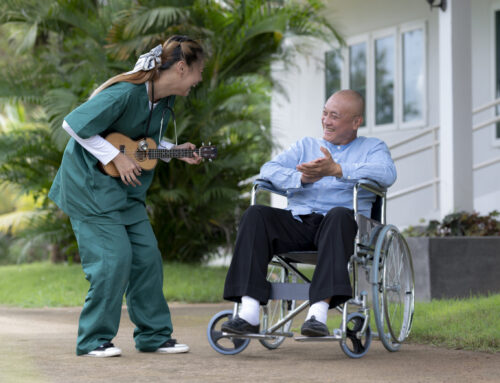
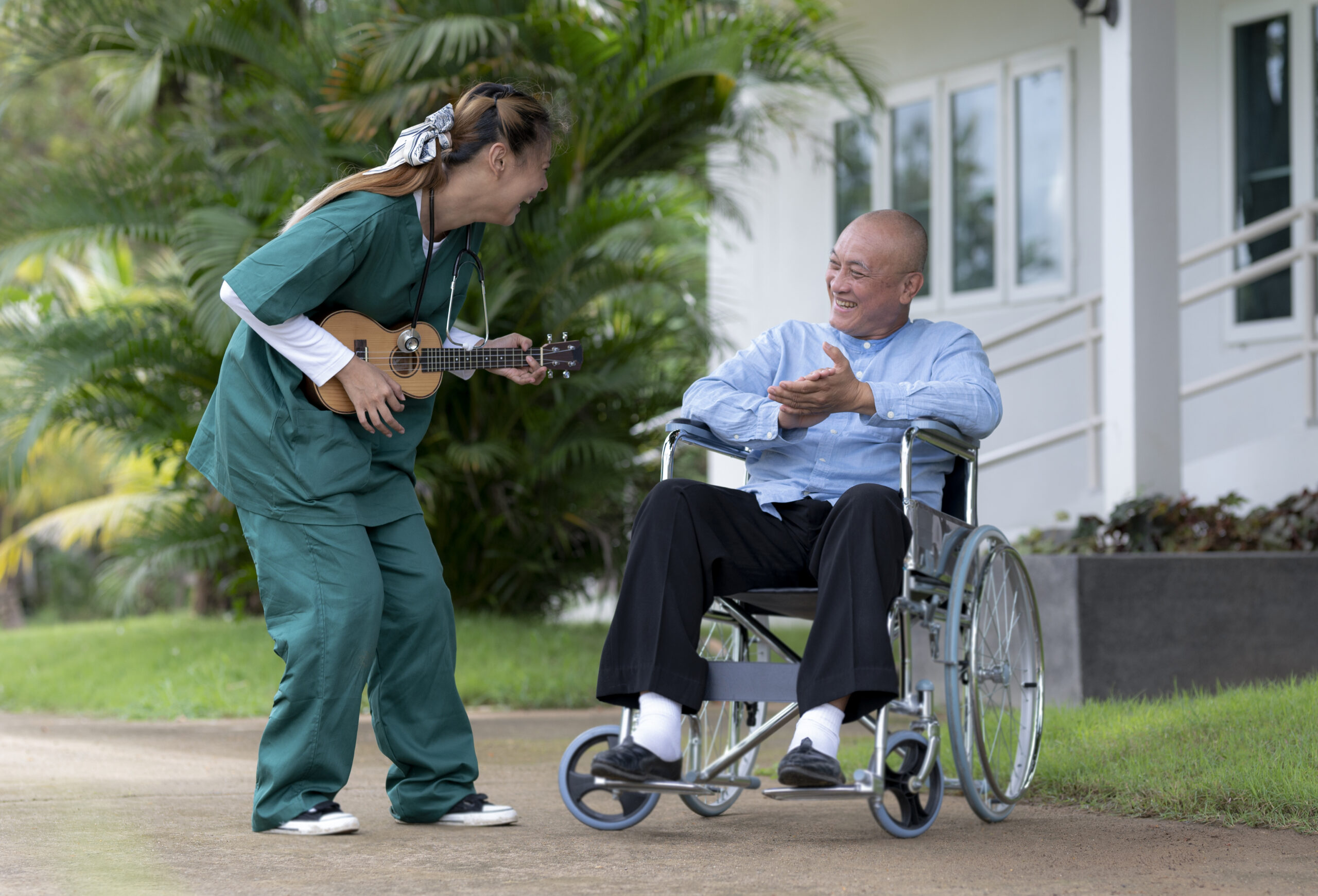
Supporting emotional well-being and independence
-
Remaining calm and patient during stressful or frustrating moments
These skills help professional caregivers build trust and ensure clients feel heard, respected, and supported in their own homes.
Personalized Care Planning
No two clients are the same. Professional caregivers are trained to follow individualized care plans that reflect each client’s needs, preferences, and goals.
Care plans may include specific routines, mobility considerations, dietary needs, or personal requests. Professional caregivers learn the importance of consistency while remaining flexible as a client’s needs change over time.
Ongoing Training and Oversight
Quality home care doesn’t stop with initial training. Professional caregivers benefit from ongoing education, supervision, and communication to ensure care remains consistent and aligned with best practices.
This ongoing approach allows caregivers to adapt to new situations, refine their skills, and continue providing high-quality support as client needs evolve.
Respect, Dignity, and Independence
A core principle of professional caregiver training is preserving dignity and encouraging independence whenever possible. Rather than taking over tasks unnecessarily, caregivers are trained to support clients in doing what they can for themselves.
This balance helps clients maintain confidence, routines, and a sense of control—especially important for seniors who wish to age in place comfortably and safely.
How HMC Home Care Supports Quality Care
At HMC Home Care, professional caregiver training focuses on both technical skill development and compassionate support. Caregivers are prepared to assist clients safely, respectfully, and reliably while adapting to each family’s unique needs.
Families can feel confident knowing that professional caregivers are trained to provide care that supports comfort, dignity, and peace of mind.
To learn more about HMC Home Care and our approach to professional in-home support, visit hmchomecare.com.